The context
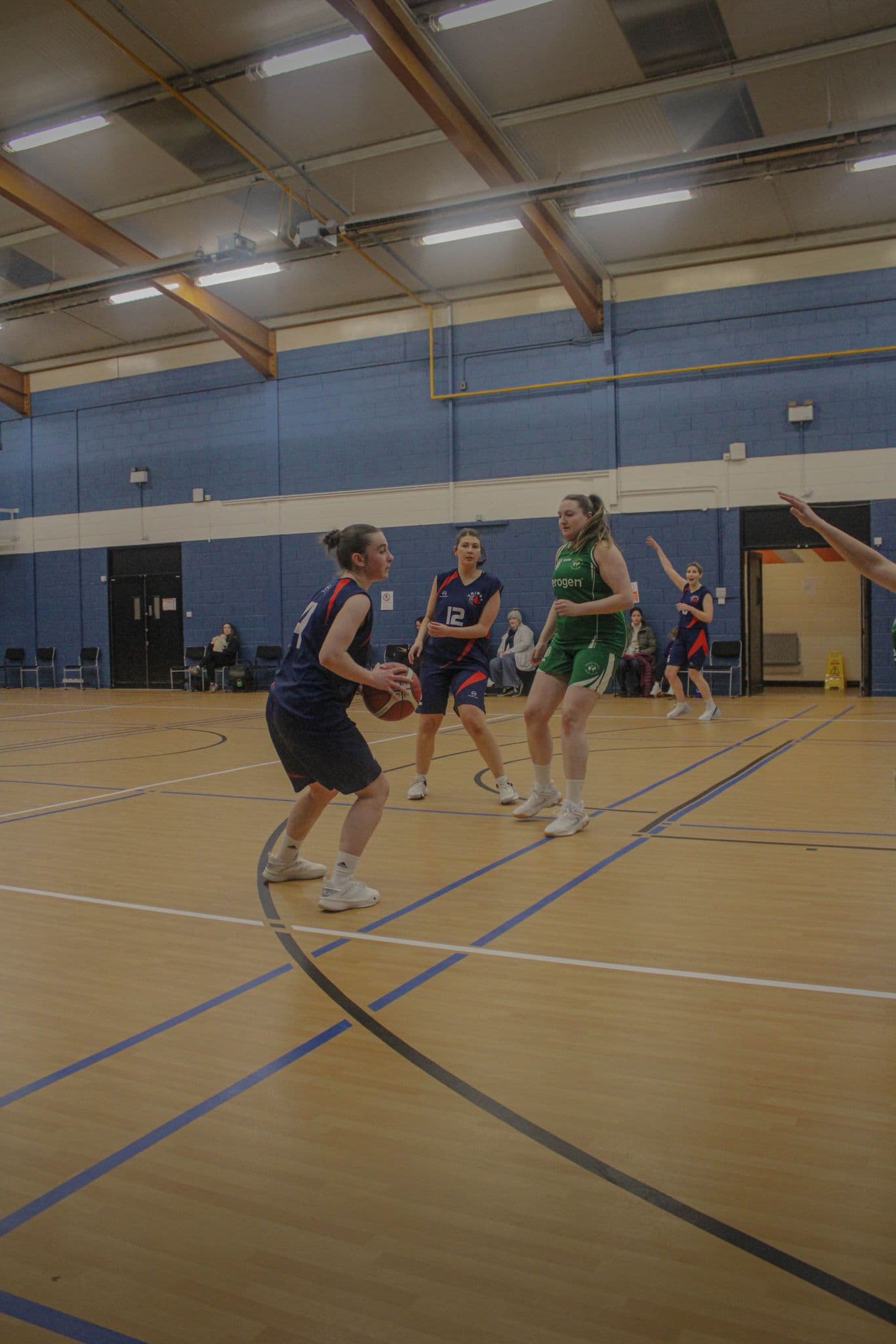
I'm 21. I play basketball, or at least I did.
Before January 2026, I had only been back playing for three months. Before that, I spent two years out with ankle injuries and surgeries. Two long years of watching from the sideline, rehabbing, waiting, and trying to get back. I had only just started to feel like myself on the court again.
Then, on the 21st of January 2026, I ruptured my ACL.
“Three months back. Two years out. Then injured again.”
The injury
I was trying to get around a defender, I jumped, landed on my right leg, and my knee went out sideways and snapped back in.
The pop was violent.
I screamed. I made a scene. To be honest, I have almost blocked parts of it from my memory. There are flashes more than a clear sequence.
I remember thinking that I wanted one of those green whistles the lifeguards use on Bondi Rescue. I remember thinking I needed an ambulance. I remember shouting for someone to look at my knee, asking if it looked wrong or deformed, if something was seriously damaged.
People kept saying it looked fine.
One of my teammates was a nurse. I remember asking her if it was my ACL, then immediately taking it back, saying that would be stupid. In my head, an ACL injury meant the knee bending backwards or locking straight. Mine had gone sideways. I convinced myself it couldn't be that.
The strange part was how quickly the pain changed. After a few minutes it almost disappeared. I felt weirdly okay. Then someone tried to help me move and the pain came back instantly, sharp and overwhelming.
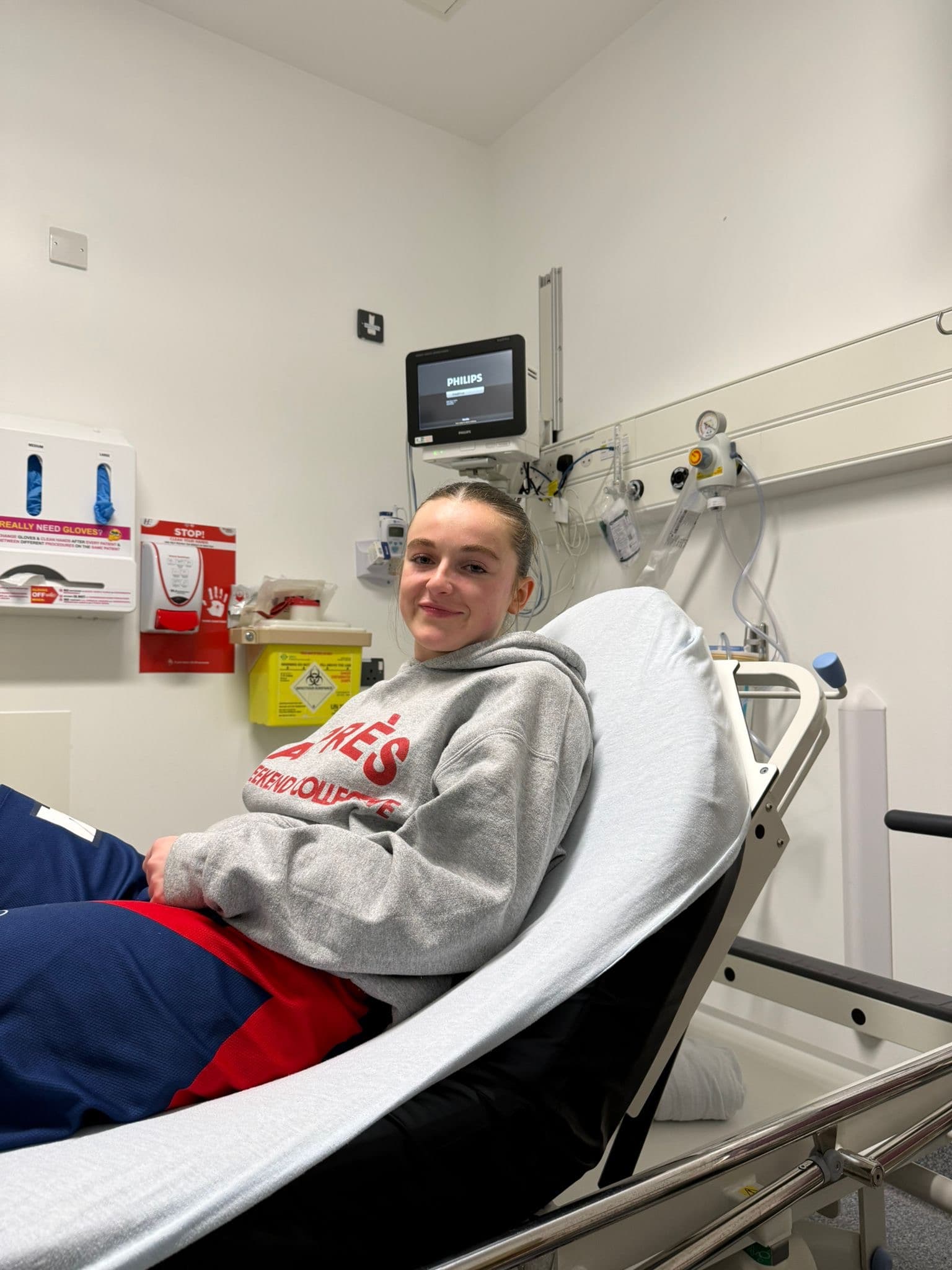
A&E
The decision was made to go to A&E. The car journey was brutal. Every small movement felt like my lower leg was hanging on by skin. I lay in the back seat trying not to move, every bump feeling like something inside my knee was shifting.
At the hospital I got painkillers and an X-ray. The X-ray was clear. The technician even said he thought it would probably be fine.
I assumed I would get an MRI that night. Instead, I waited.
The uncertainty
Sitting in A&E for hours, I pulled out my phone and started asking questions.
At first they were simple. What could it be. Why isn't it swelling. Does an ACL tear even feel like this. If my knee went sideways does that mean it's something else. Why does it feel unstable but look completely normal.
I kept describing the same moment over and over, trying to make sense of it. The pop. The shift. The pain that disappeared and then came back.
Every answer felt convincing for about five minutes.
Patellar dislocation. Meniscus. Soft tissue injury. Maybe not ACL. The lack of swelling sounded like a good sign. The fact that the knee looked normal made it feel impossible that something major had happened.
I kept looking for reassurance. Then the doubt started.
Did I exaggerate it in my head. Did it actually pop out or did it just feel that way. Am I overreacting. Is this just pain and shock messing with me.
The more I searched, the less certain I felt. Every explanation matched part of the story but never all of it. One moment I felt relieved, convinced it wasn't serious. The next moment I was imagining the worst.
Pain changed hour by hour. Swelling arrived later. New sensations appeared that made me question everything again.
I remember thinking that the mind really does try to protect you. It keeps rewriting the story into something safer because the alternative is heavier.
The strangest part was feeling almost okay while also knowing something was wrong. Hoping I would walk out of hospital and be fine, while quietly feeling that I wouldn't.
Those hours were their own kind of injury. Waiting. Searching. Trying to understand something before anyone could actually tell me what it was.
“Every answer felt convincing for about five minutes.”
Going home
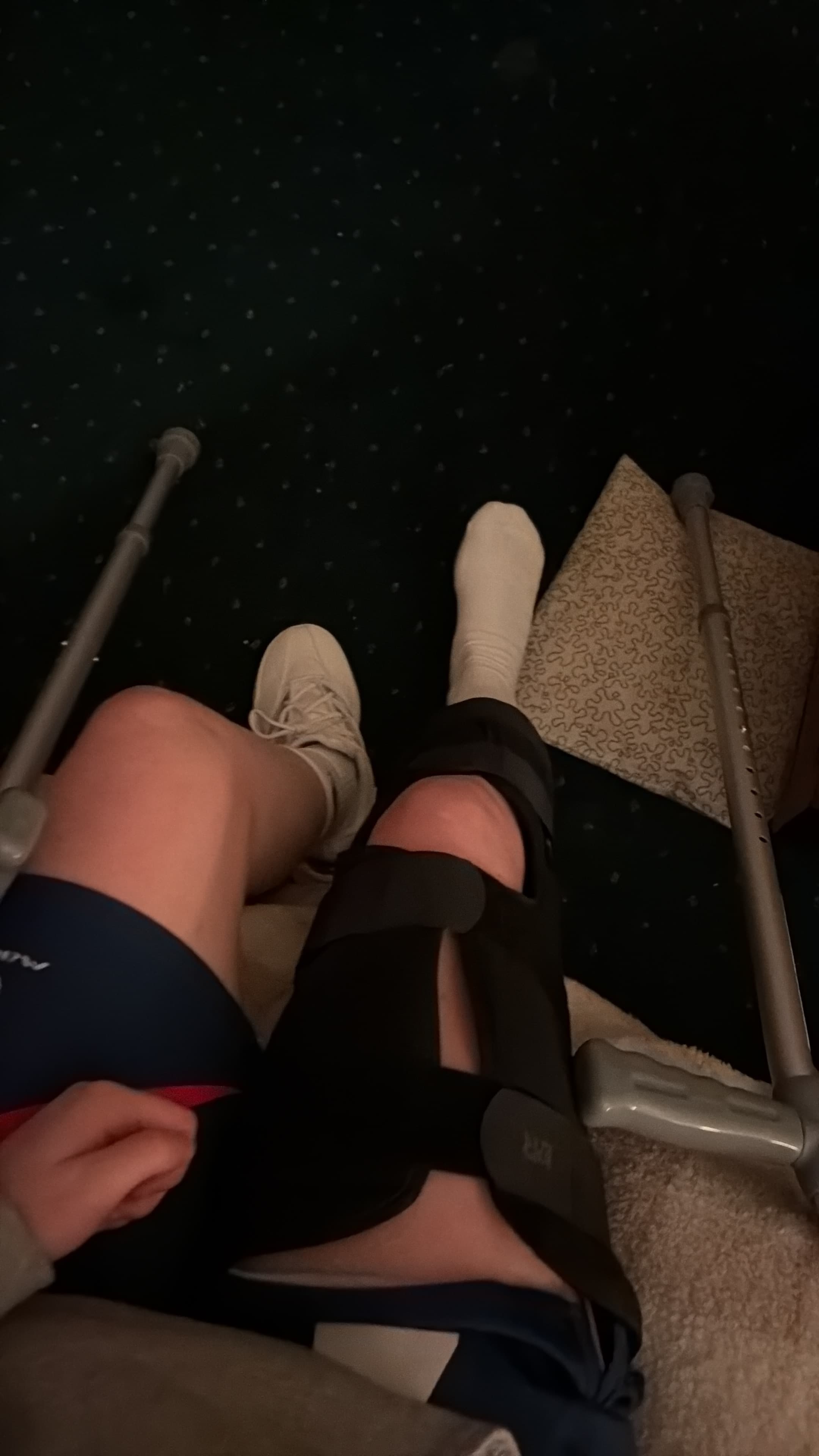
Eight hours in total. They put me in a brace and told me I would get a call within five or six days about seeing a physio.
That was it. No MRI booked. No clear next step. Just wear the brace and wait.
I assumed the physio appointment would lead to an MRI. Later, I was told it probably would not.
Taking it into my own hands
That same day, I contacted my own physio and got an appointment. He wrote a referral, and I went to a doctor to get the MRI request sorted.
I had the MRI a couple of days later, just after the weekend. It felt quick, but only because I pushed for it myself. If I had waited for the system, I don't know how long it would have taken.
One thing that surprised me was leaving the imaging centre with the disc and images in my hand, yet still having to wait a week for someone to read them and explain the results.
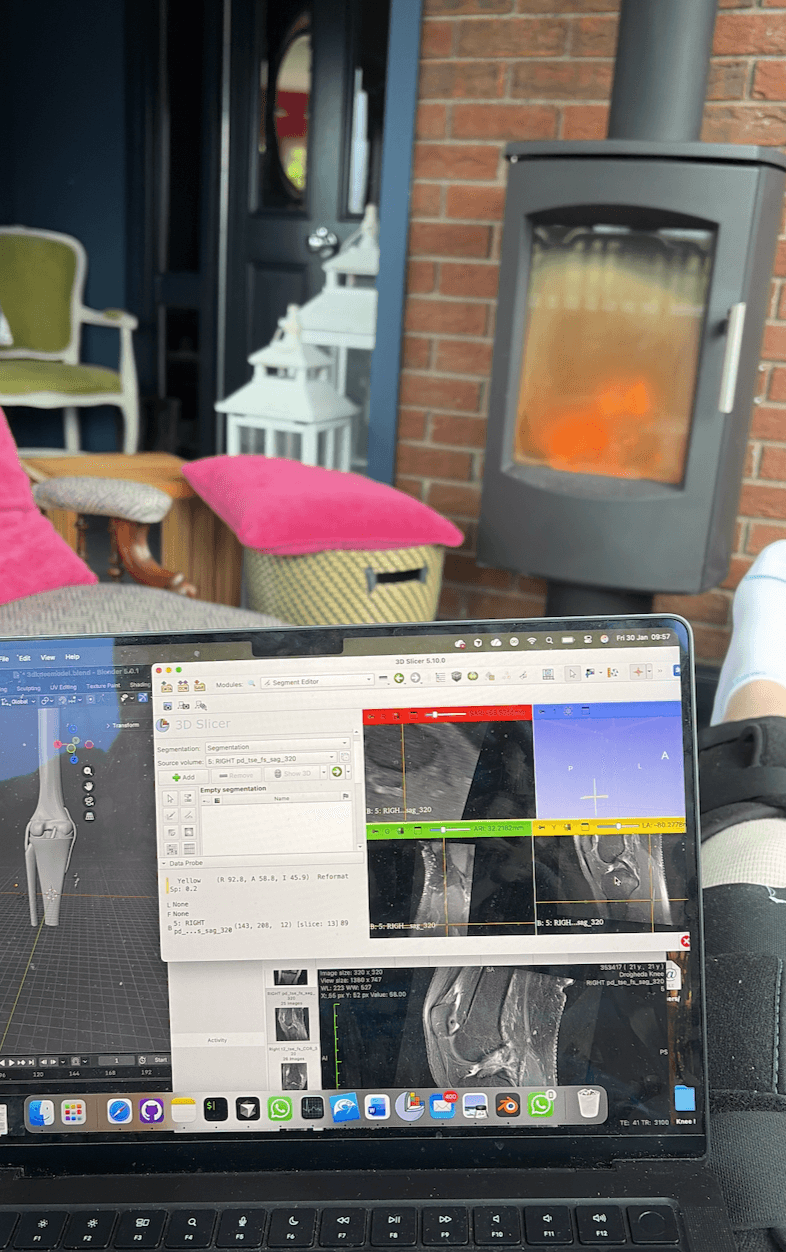
“While I waited, I mapped my knee in 3D as a project.”
The post that started it
The results
Ruptured ACL. Confirmed by MRI.
Then I waited more than a week to meet the surgeon.
The waiting between answers
Looking back, one of the strangest parts of the whole experience was how much uncertainty there was between each step.
Before the MRI, my physio thought it might be my LCL and meniscus. He also said there was about a fifty percent chance the ACL or PCL could be involved.
So for the next few days that is what I searched.
LCL injuries. Meniscus tears. Posterior cruciate ligament injuries. Every explanation seemed to fit until something small did not.
Then I had the MRI.
I remember lying there thinking that the answer was literally inside the machine. The images existed now. Somewhere in those scans was the explanation for what happened in my knee.
When the scan finished I asked the technician if he could tell me anything.
He said he could not give results. But he did quietly say that there was damage to the ACL.
That one sentence sent me into a completely different round of searching.
Then I waited again.
For about a week I called the clinic every day asking if the report was ready. In the meantime I downloaded the images and started trying to interpret them myself. I even began building a rough model of my knee from the scans just to understand what I was looking at.
By the time the official report came back confirming a complete ACL rupture, I had already convinced myself that was the most likely answer.
But the waiting still was not over.
Because then I had to wait again to see the surgeon.
Looking back, that period between the injury and finally speaking to the surgeon was probably the most frustrating part of the whole process.
You are injured. You know something serious happened. But you are still trying to piece together the story from incomplete information.
Only when the surgeon explained everything clearly did it finally feel like the puzzle made sense.
System friction
When I finally saw the surgeon, he said the brace advice didn't really make sense. Hearing a pop and being unable to weight bear were strong signs. His advice was to get moving as soon as possible, within reason.
But because I stayed in the brace, I lost range of motion. I couldn't fully straighten my knee. I couldn't bend past about 60 degrees. I was on crutches and non-weight bearing for three weeks after the injury.
Three weeks in a brace I probably didn't need, simply because nobody told me otherwise.
“Nobody told me what came next. So I started building.”
Pre-op
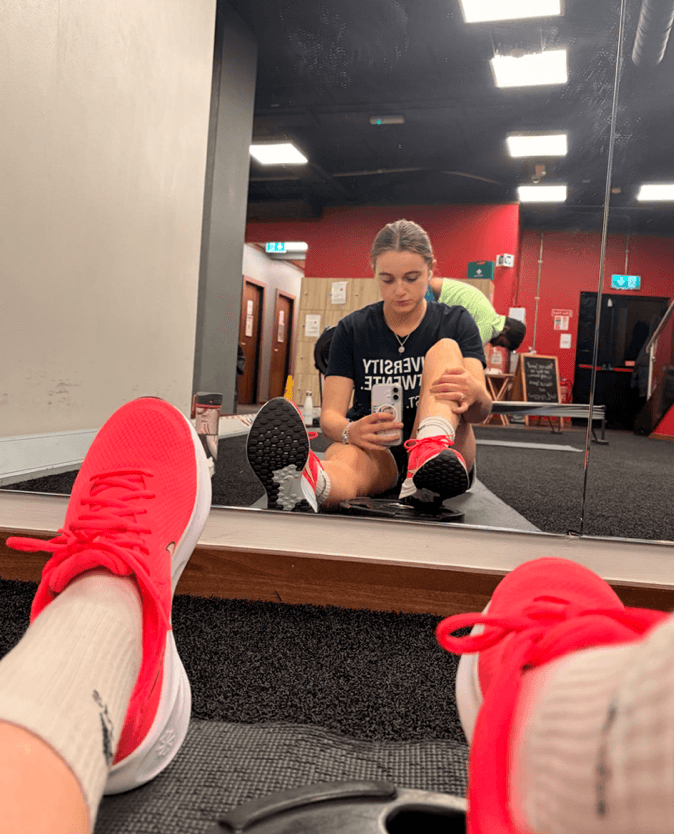
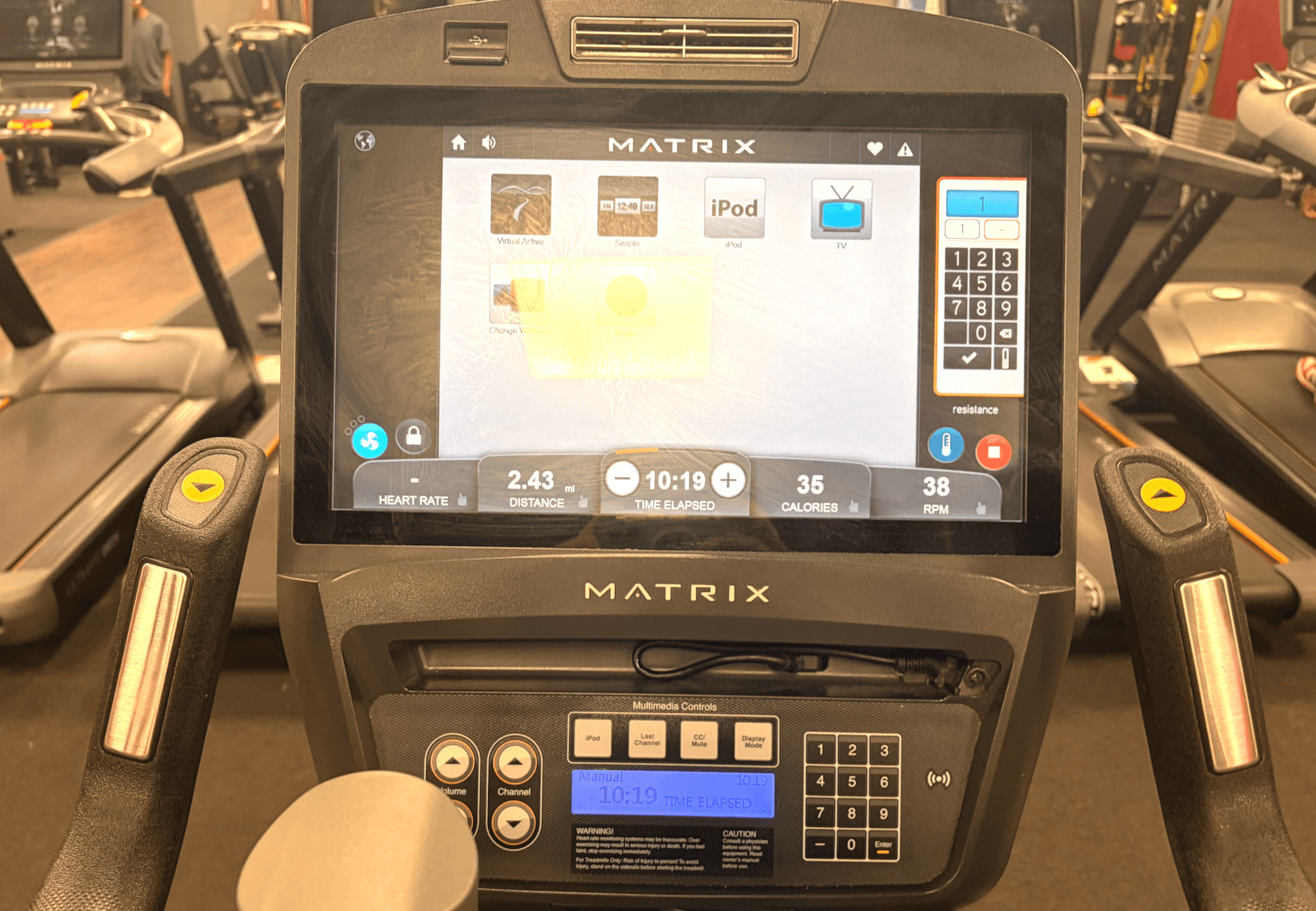
I did prehab, trying to make my knee as strong and mobile as possible before surgery. I learned patience. Some days felt good, some days didn't.
Post-op
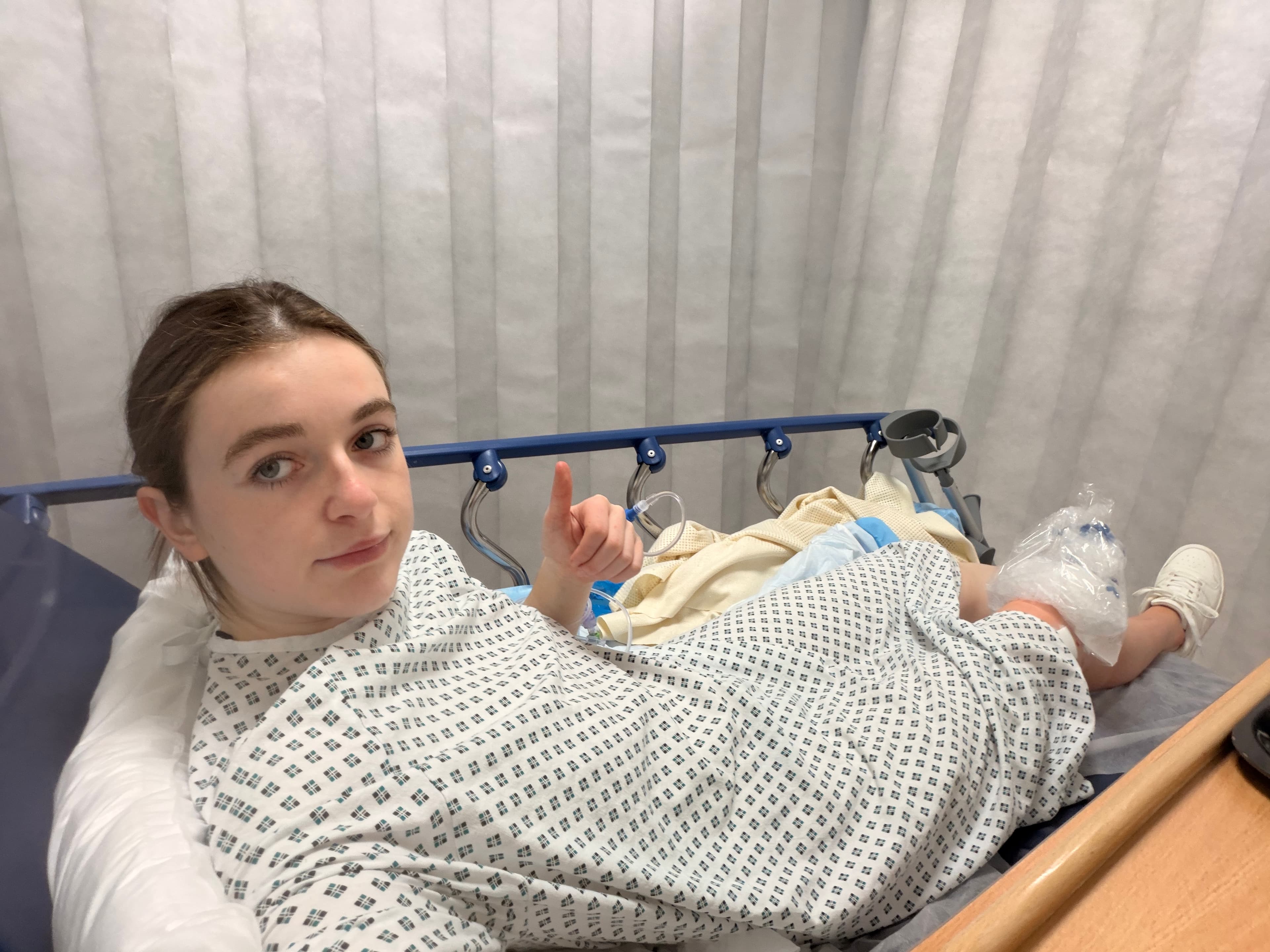
I had my ACL reconstruction. I am about five days post-op as I write this update.
In the operating room at 8am, leaving the hospital by 2pm. I woke up in 10 out of 10 pain, stayed that way in and out of sleep the whole time in hospital.
The first few days have been rough. The knee is swollen, stiff, and sore. But I was already used to crutches and depending on people from the injury itself, so that part has not been as jarring as I expected. Sleeping has been better than I thought it would be. The Game Ready ice machine has been firing non-stop.
The frustration is real though. You go from being active and independent to needing help with basic things almost overnight. The pain is manageable. The loss of control is harder.
What I'm building
I wanted a clearer map. Something that says this is where you are, this is what usually comes next, and these are the questions worth asking.
Not medical advice. Not a replacement for a physio. Just orientation. A calm place to check in and understand the shape of recovery.
I couldn't find that. So I started building it.
That is ACL Story.